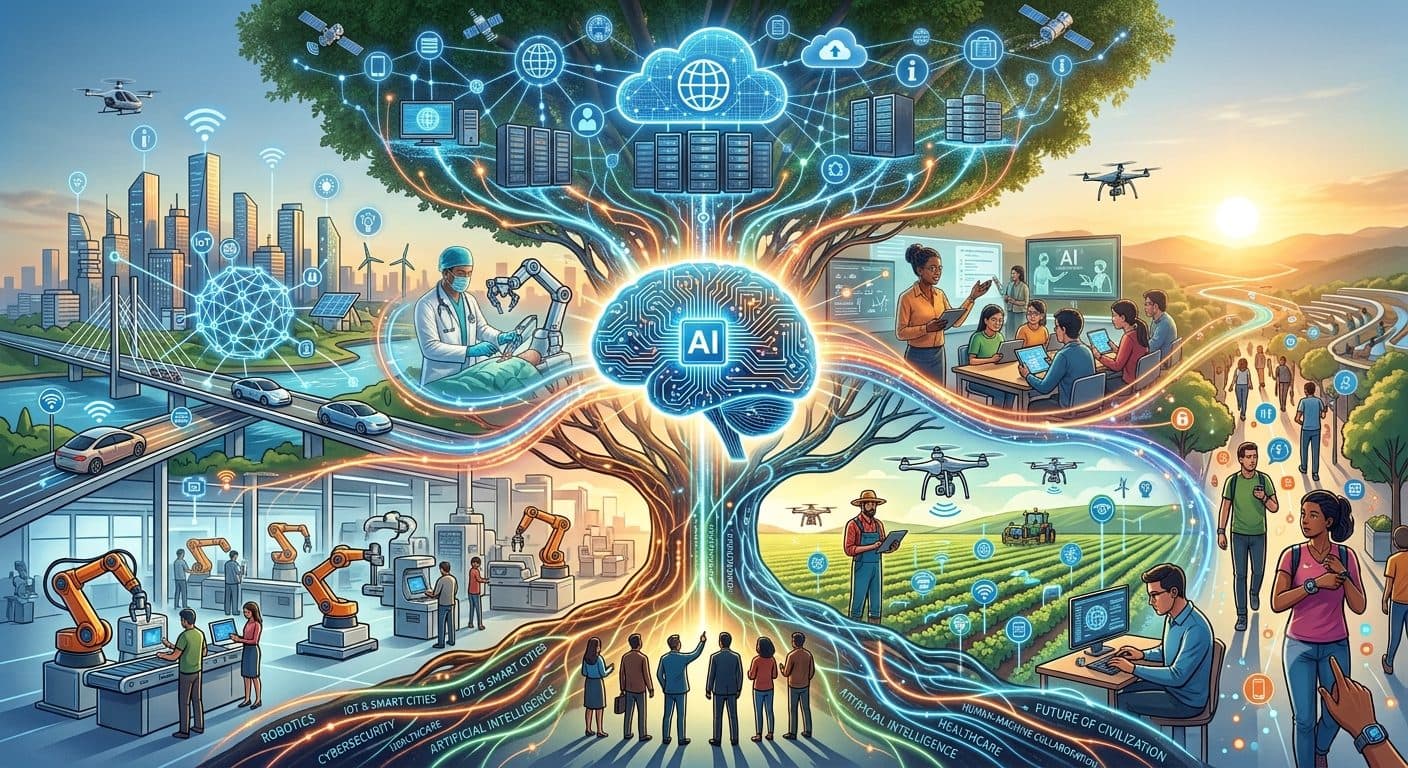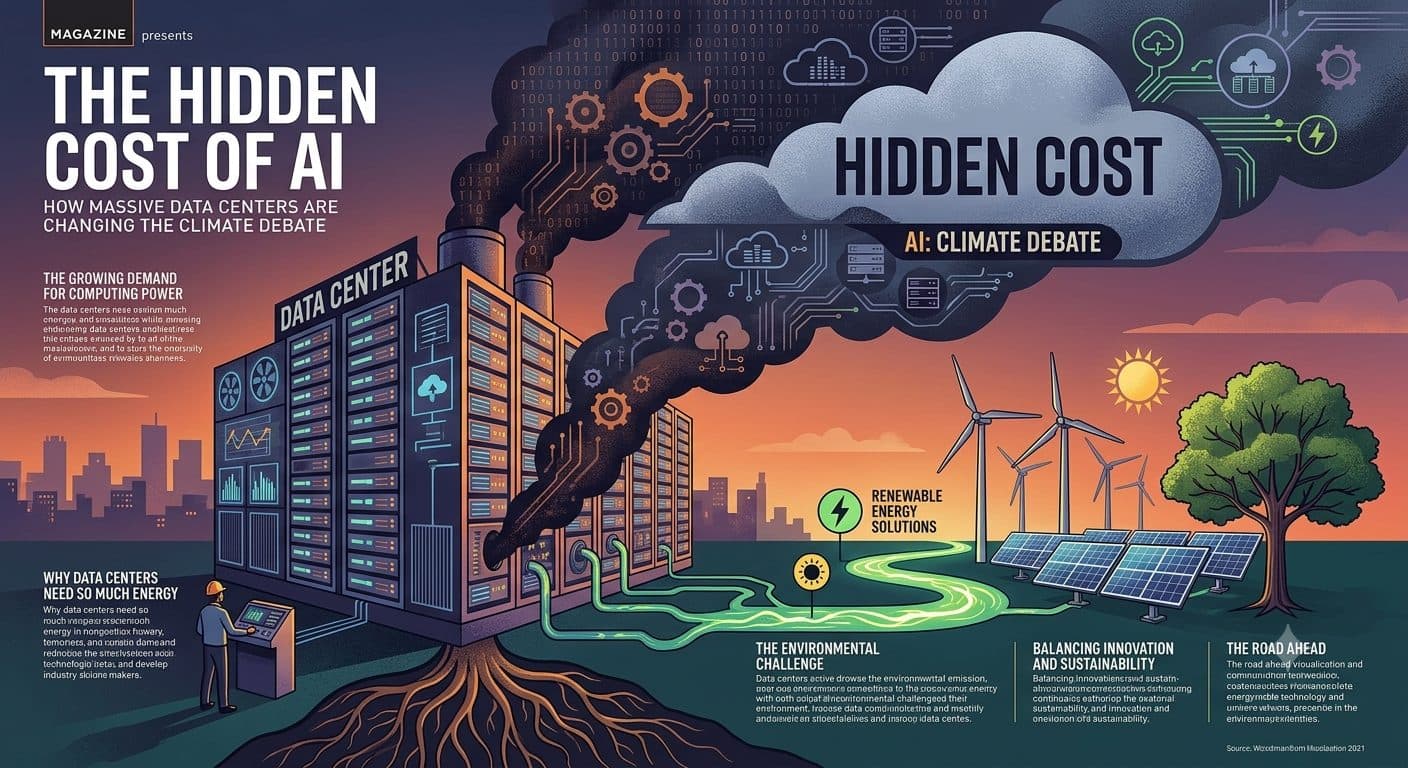
The rapid growth of artificial intelligence and cloud computing is transforming the technology industry. Behind every AI chatbot, streaming platform, and online service, there are massive data centers working continuously to process and store enormous amounts of information.
However, this digital revolution comes with an unexpected challenge: energy consumption.
A planned Amazon data center project has raised concerns among environmental experts who warn that large-scale computing facilities could become some of the biggest sources of carbon emissions in the United States if powered by traditional energy sources.
The Growing Demand for Computing Power
Modern technologies such as Artificial Intelligence, machine learning, and cloud services require enormous computing power. Unlike traditional websites or applications, advanced AI systems need thousands of powerful processors running constantly.
As companies race to build larger data centers, electricity demand is increasing rapidly. These facilities require not only massive amounts of power but also advanced cooling systems to prevent overheating.
The growth of digital services has created a new reality: the internet may feel invisible, but it depends on physical infrastructure that consumes significant resources.
Why Data Centers Need So Much Energy
A data center is essentially the "factory" behind the digital world. Inside these facilities are thousands of servers storing and processing data.
Every search request, video stream, online transaction, and AI interaction requires computing power. As billions of people use digital services every day, the demand for data processing continues to rise.
Large technology companies are investing billions of dollars into new data centers to support the future of AI. However, without cleaner energy solutions, these developments could increase pressure on global climate goals.
The Environmental Challenge
The main concern is not technology itself, but how the energy needed for technology is produced.
If data centers rely heavily on fossil fuels, they can contribute significantly to greenhouse gas emissions. Environmental groups argue that technology companies must take greater responsibility by investing in renewable energy sources and improving efficiency.
Many companies are now exploring solutions such as solar power, wind energy, advanced cooling systems, and more efficient computer chips to reduce environmental impact.
Balancing Innovation and Sustainability
The world cannot stop technological progress, especially as AI and digital services become essential parts of modern life. The challenge is finding a balance between innovation and sustainability.
Future data centers may become smarter, using artificial intelligence to manage energy consumption, reduce waste, and optimize performance.
The next generation of technology must not only be faster and more powerful but also environmentally responsible.
The Road Ahead
The rise of AI and cloud computing represents one of the biggest technological transformations in history. However, every technological revolution comes with new responsibilities.
The future of digital innovation will depend on whether humanity can create powerful technologies while protecting the planet.
The question is no longer just how advanced technology can become — it is how sustainably we can build that future.